Home / Mumbai / Mumbai News / Photos /
IN PHOTOS: Mumbai-Ahmedabad Bullet Train project completes 300 km viaduct milestone
Updated On: 20 May, 2025 08:43 PM IST | Anushree Gaikwad
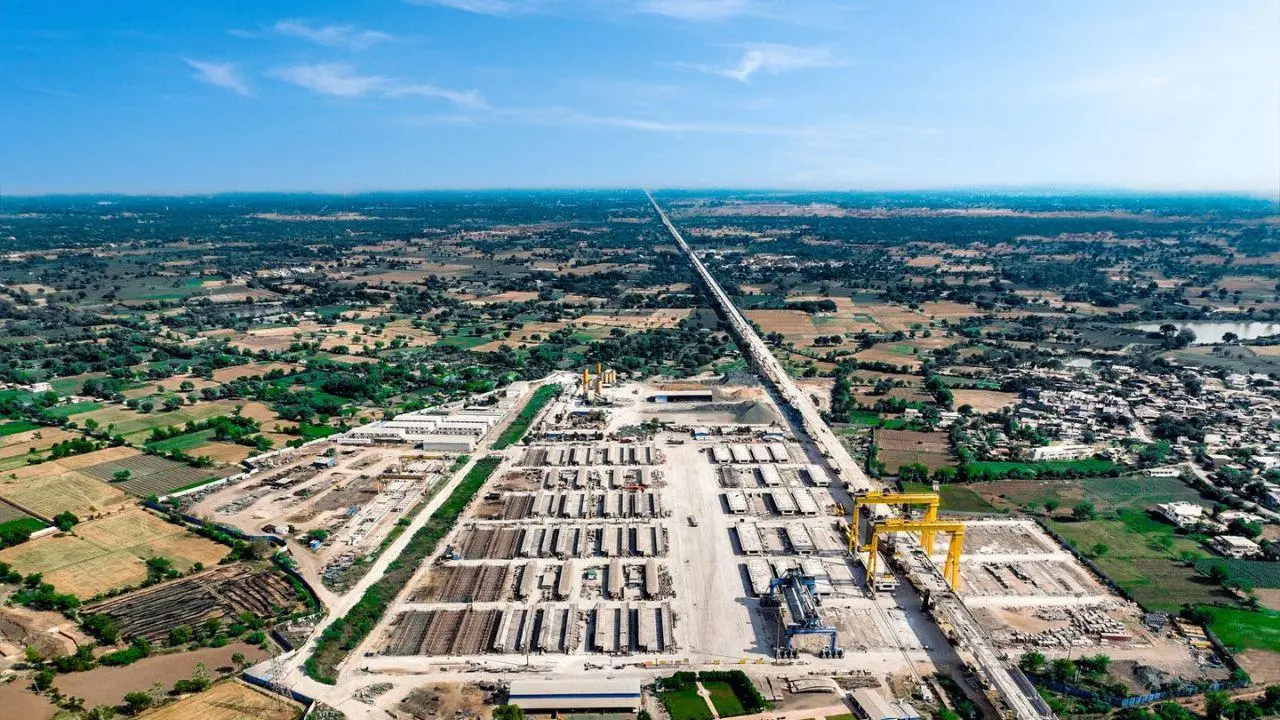
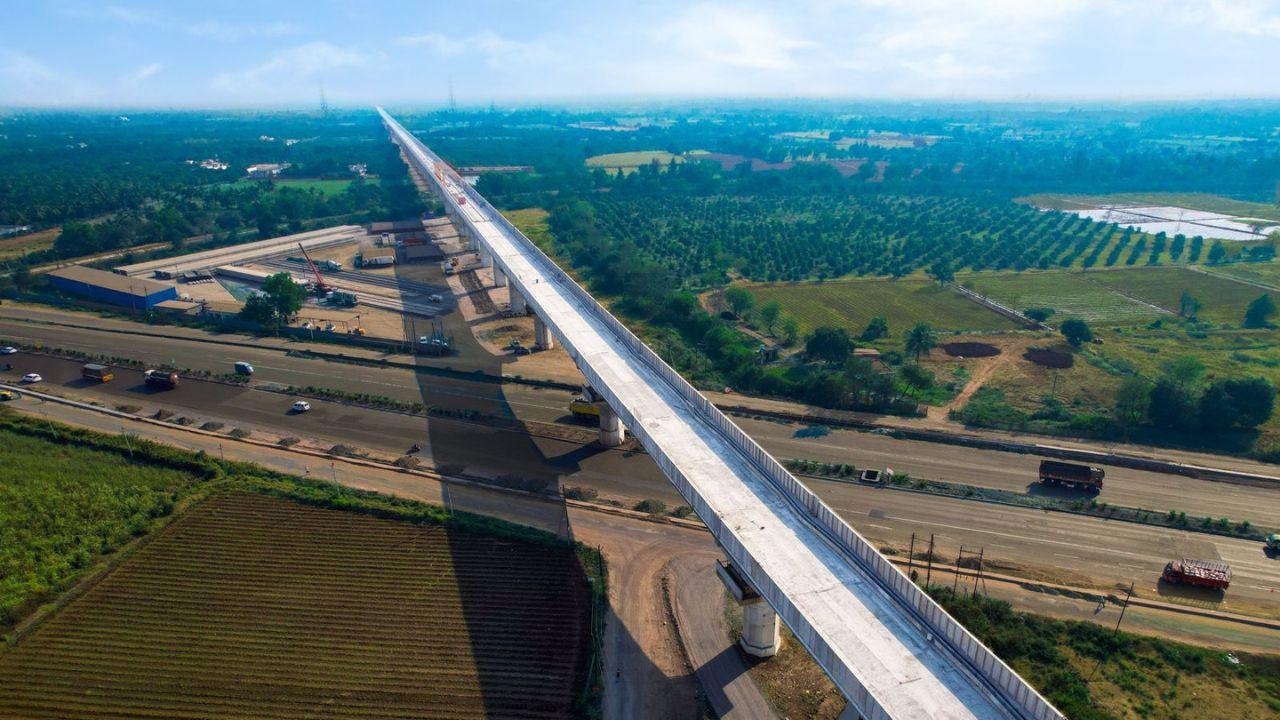
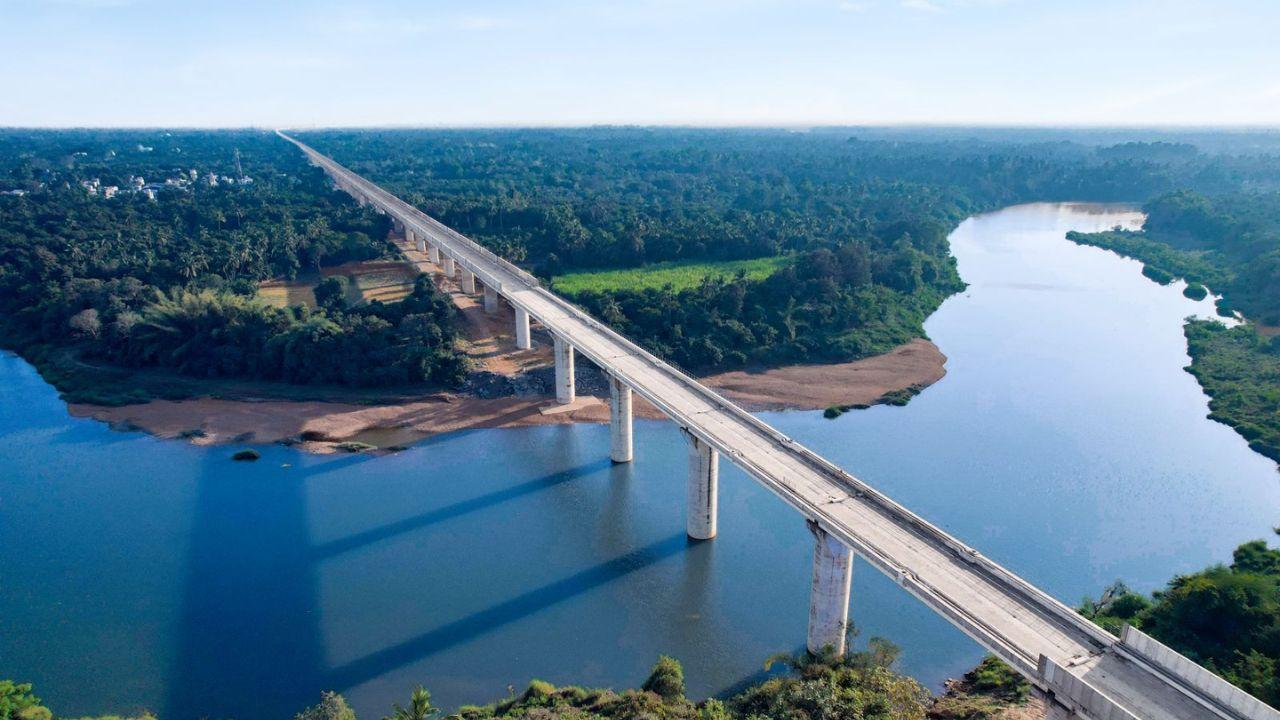
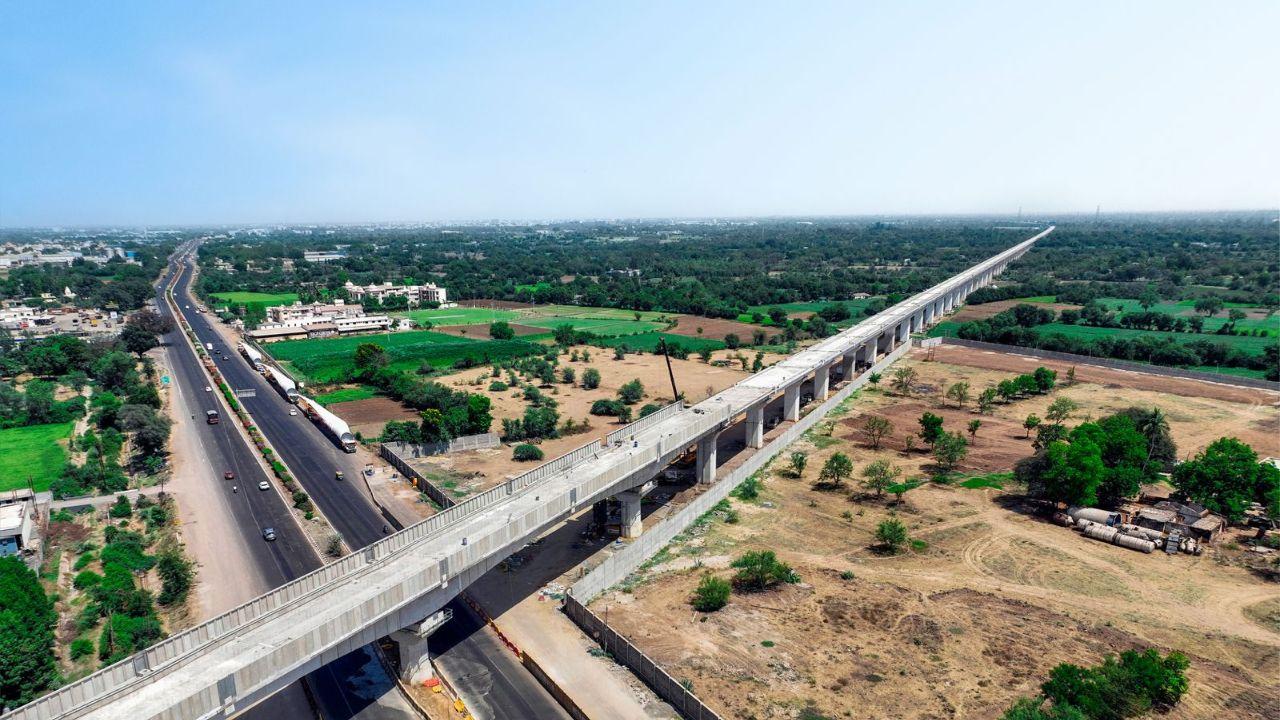
India’s first bullet train corridor between Mumbai and Ahmedabad has reached a significant construction milestone with the successful completion of 300 km of viaducts. (Pics/NHSRCL)



1/7
2/7
Out of 300 km of superstructure, 257.4 km is constructed through Full Span Launching Method (FSLM). This includes 14 river bridges, 37.8 km through span-by-span (SBS), 0.9 km steel bridges (10 spans ranging from 60 to 130 m in 7 bridges), 1.2 km PSC bridges (20 spans ranging from 40 to 80 m in 5 bridges) and 2.7 km in station building
ADVERTISEMENT
3/7
For constructing 257.4 km of viaduct through FSLM and 37.8 km of viaduct through SBS, 6455 & 925 spans of 40 m each, respectively, were used
4/7
The project has supported the use of indigenously designed and manufactured equipment such as straddle carriers, launching gantries, bridge gantries, and girder transporters for construction. This marks a first for Indian infrastructure, showcasing India's growing capabilities in high-speed rail technology with the support of the Japanese government.
ADVERTISEMENT
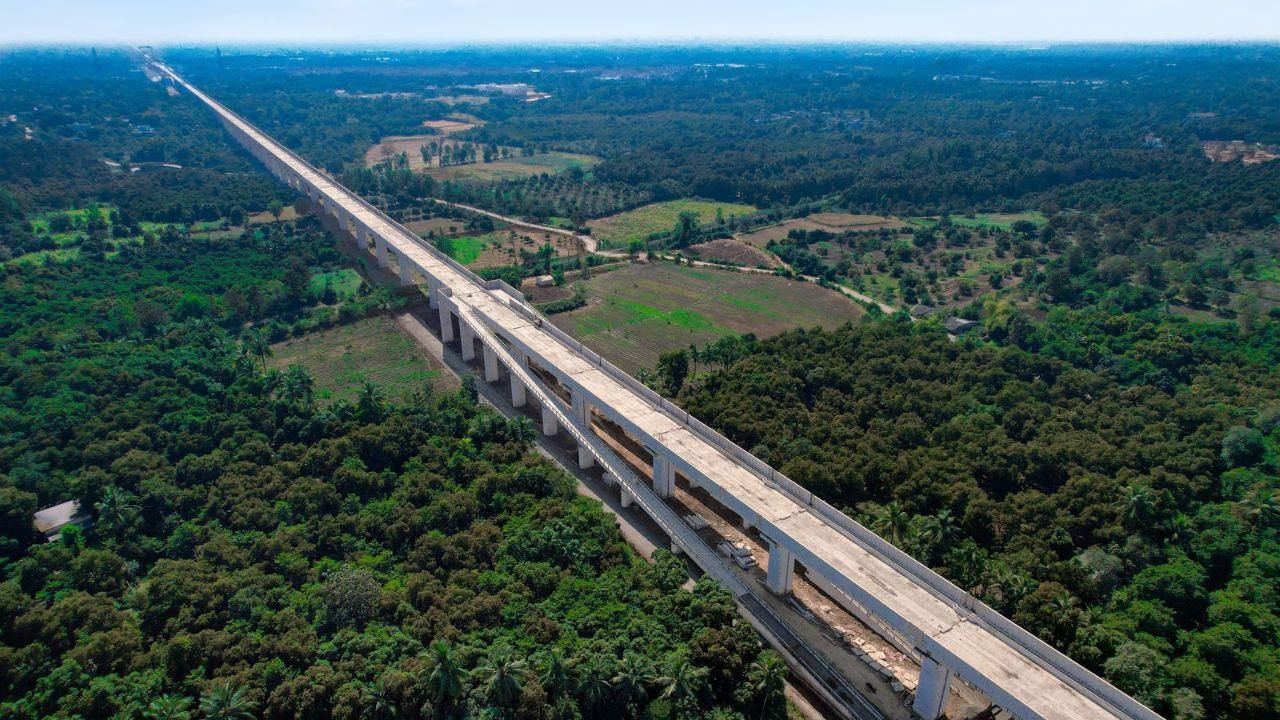
5/7
The adoption of the full span launching method has significantly accelerated construction, as full-span girder erection is up to ten (10) times faster than conventional segmental methods
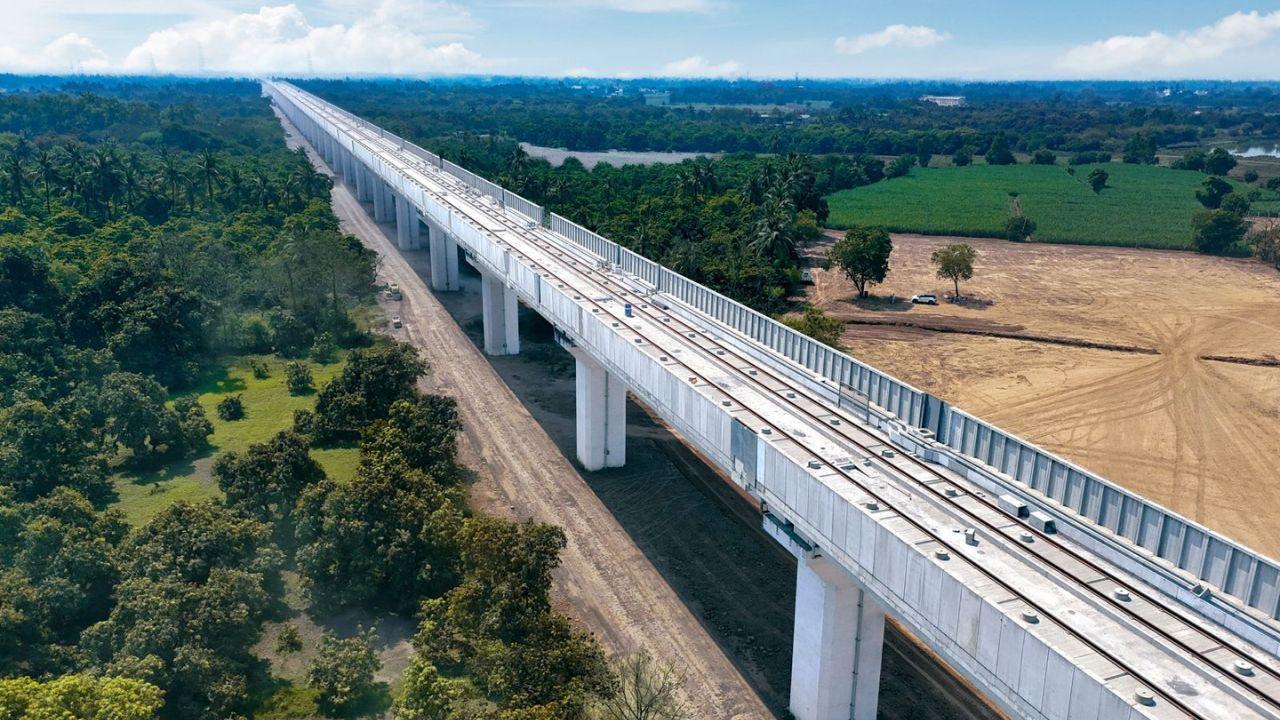
6/7
Each full-span box girder weighs 970 metric tons. Segmental girders are used selectively in locations where full-span installation is not feasible
ADVERTISEMENT
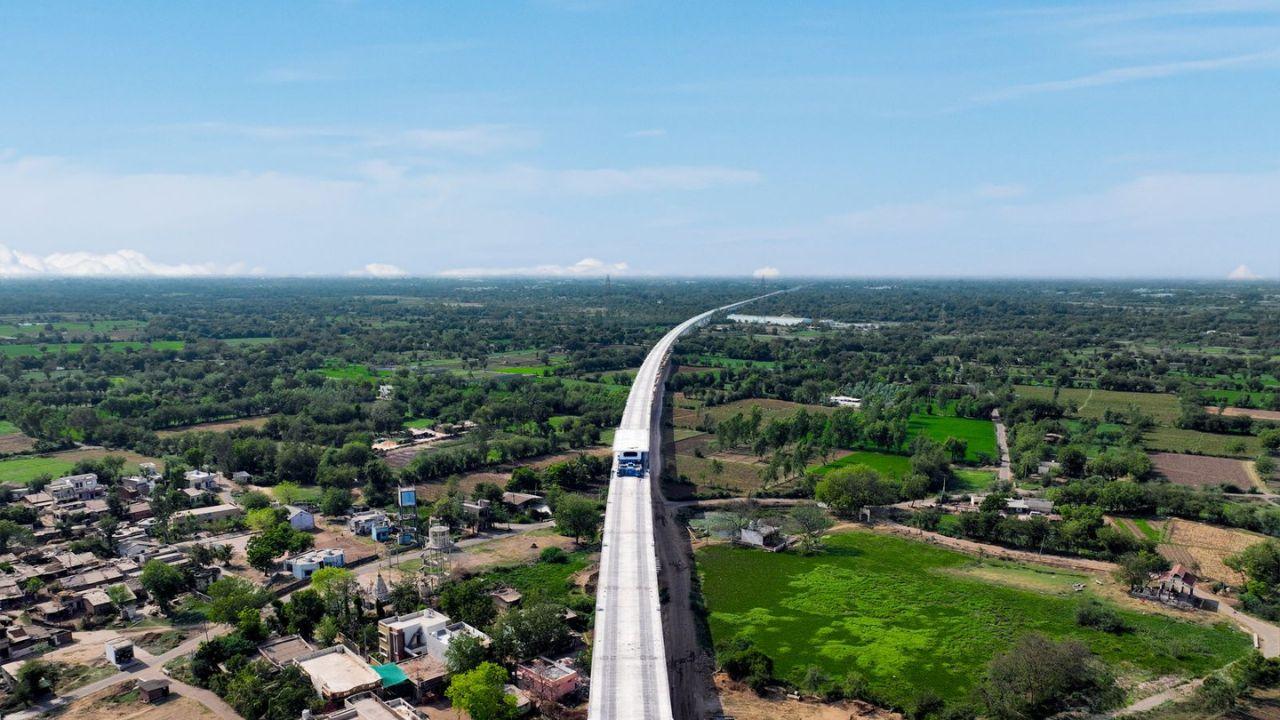
7/7
Steel bridges are fabricated in seven workshops spread all across the country, three in Gujarat, one each in Uttar Pradesh, Tamil Nadu, Maharashtra and West Bengal, truly exemplifying the spirit of unity of our country
ADVERTISEMENT
Photo of Day
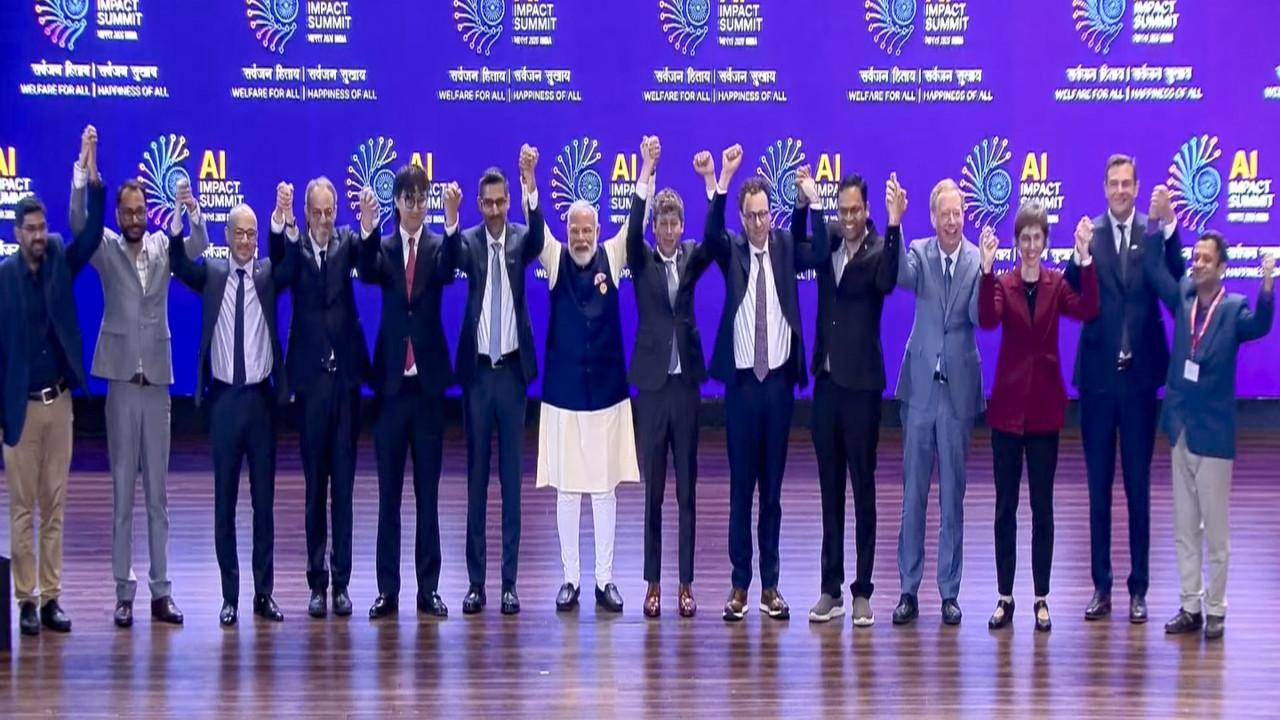
Global AI leaders join PM Modi in a bid to push for a smarter, inclusive future
PM Narendra Modi joins hands with Google CEO Sundar Pichai, OpenAI CEO Sam Altman, and others during the India AI Impact Summit 2026, in New Delhi. PIC/PTI
ADVERTISEMENT