






Home / Lifestyle / Health & Fitness / Article /
Ageing human skin cells can be reversed by 30 years: Study
Updated On: 11 April, 2022 04:09 PM IST | Mumbai | IANS
A team of researchers from the Babraham Institute at University of Cambridge has been able to partly restore the function of older cells, as well as rejuvenating the molecular measures of biological age. Though the findings, published in the journal eLife, are at an early stage of exploration, it could revolutionise regenerative medicine

Listen to this article :
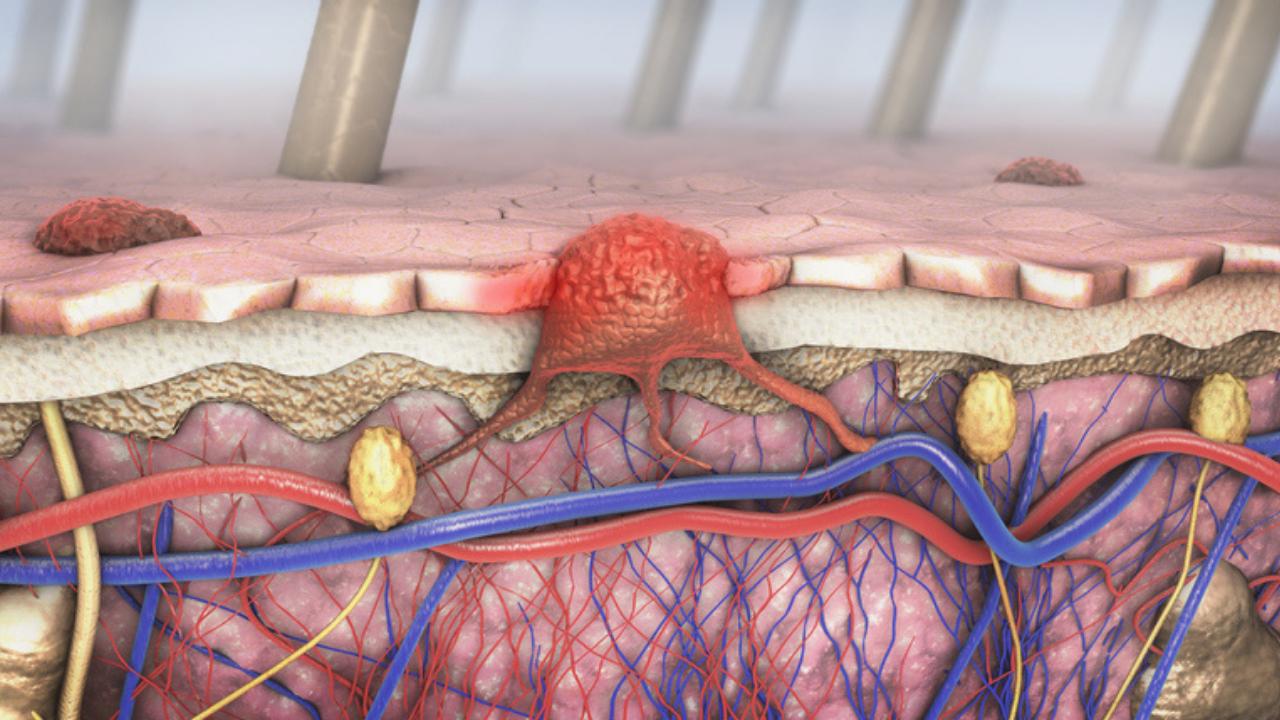
Image for representation: iStock
UK researchers have developed a method to 'time jump' human skin cells by 30 years, turning back the ageing clock for cells without losing their specialised function.
The team from the Babraham Institute at University of Cambridge has been able to partly restore the function of older cells, as well as rejuvenating the molecular measures of biological age. Though the findings, published in the journal eLife, are at an early stage of exploration, it could revolutionise regenerative medicine.
Trending Stories
Latest Photos
Latest Videos
Latest Web Stories
ADVERTISEMENT
Mid-Day Fast
ADVERTISEMENT

ADVERTISEMENT