






Home / Lifestyle / Health & Fitness / Article /
Here's how Co-washing can be a substitute for shampooing your hair
Updated On: 16 May, 2022 03:42 PM IST | Mumbai | IANS
If shampoo is causing damage to your hair, here's how Co-washing can help

Listen to this article :
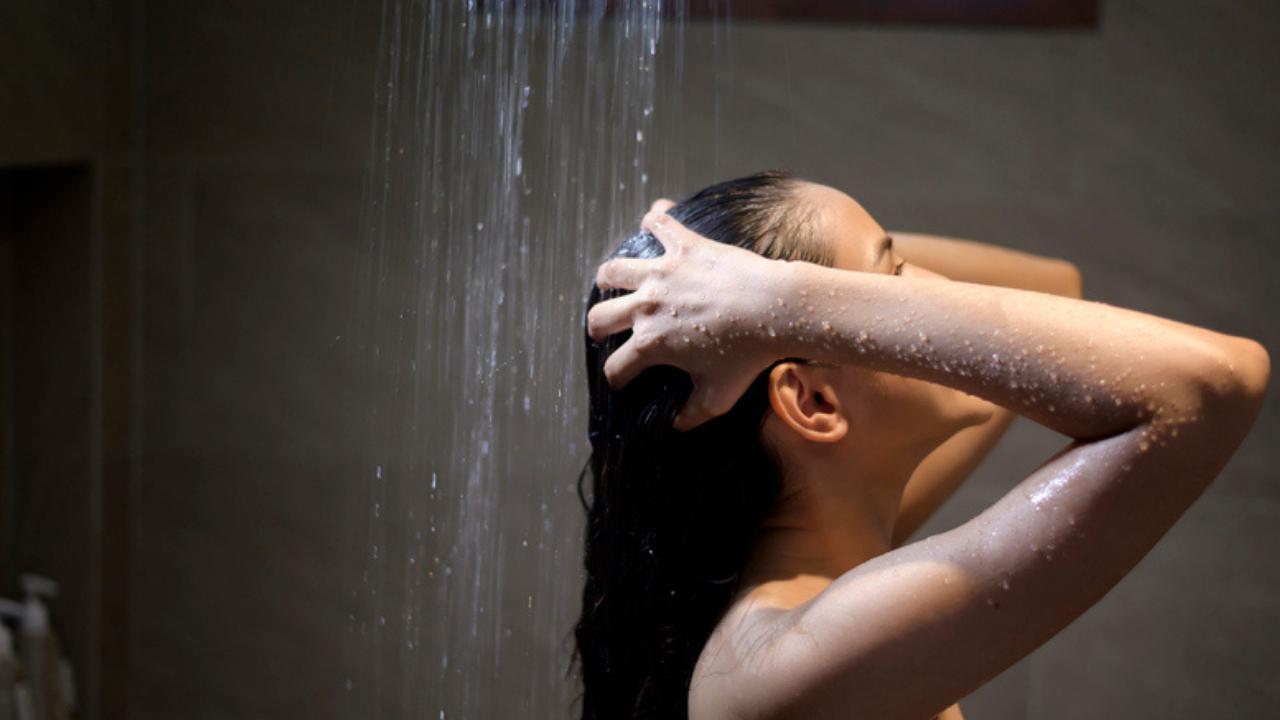
Image for representation: iStock
Today, shampoos of various kinds in the market offer multiple benefits and make tall claims when it comes to hair care. However, there are products that are providing chemical-free organic hair care solutions, and the numbers get further restricted amid the increased quest for vegan and nature-oriented personal care solutions of the end consumers. To overcome this dilemma, users must be made aware that co-washing is also a technique which can replace the need for shampooing and is far much better and more effective for the hair care process, especially for a few hair kinds. Clelia Cecilia Angelon, the founder and CEO of Surya Brasil shares in-depth technique:
What is the co-washing technique?
Co-wash is a technique for cleaning the strands in which you wash your hair using a conditioner without petrolatum or mineral oils. The main benefit of co-washing is to clean the strands without causing them to dry out, which is a common case when you use a shampoo laced with chemicals or when you do not maintain the apt frequency for it.
Co-washing is a less aggressive cleaning technique that preserves hair's natural oiliness and can be done by anyone who has naturally dry hair or who has dry or fragile hair. However, it can be used for any type of hair depending on their health. This technique should be avoided on greasy or oily hairs.
Who is most benefited by this technique?
Though it can be used by anyone with any length of hair, it is especially suitable for chemically treated hairs that are highlighted, dry, curly and frizzy. Shampoos with chemical content, especially the anti-dandruff ones, are mostly stronger in chemical composition and tend to reduce the colour content of dyed hair quickly as compared to regular shampoos. Hence, co-washing the hair with an organic natural or vegan product helps your hair retain colour for a longer period of time due to the gentle and natural composition of these conditioners.
Who should avoid the co-washing technique?
Trending Stories
Latest Photos
Latest Videos
Latest Web Stories
ADVERTISEMENT
Mid-Day Fast
ADVERTISEMENT

ADVERTISEMENT