






ECI complicates Indo-Nepal ties
Updated On: 21 July, 2025 09:11 AM IST | Mumbai | Ajaz Ashraf
The decision to link citizenship with voter enrolment introduces an irritant in the two countries’ unique relationship, chiefly because they have different laws pertaining to nationality

Listen to this article :
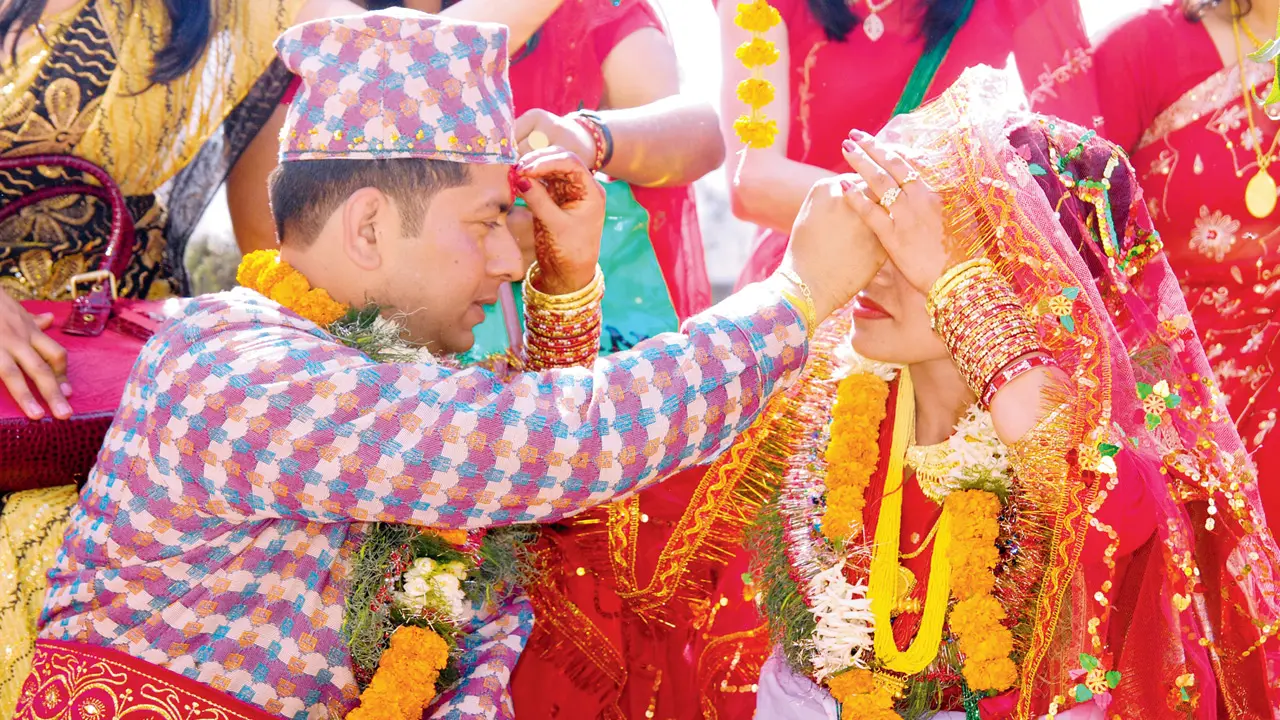
Women from the Madhesi community in the Tarai region of Nepal wed in Bihar and east Uttar Pradesh, and, conversely, Bihari women in Nepal, in incredibly large numbers. Representation Pic/iStock
 The Election Commission of India’s revision of electoral rolls in Bihar will complicate Indo-Nepal relations, and alienate those in the Tarai region of the neighbouring country who have linguistic and ethnic affinities with the people of Bihar and Uttar Pradesh. This danger has risen because of the ECI singling out Nepalis as among those non-citizens whose names will be excluded from the final electoral rolls of Bihar.
Popularly known as the Madhesis of the Tarai or Madhes, their relationship with similar cultural groups in Bihar and Uttar Pradesh has endured because of cross-border marriages. It’s the women who cross the border on marriage — Madhesi women wed in Bihar (and east Uttar Pradesh) and, conversely, Bihari women in Nepal, in incredibly large numbers.
Madhesi women married in Bihar seldom initiate the legal procedure to acquire Indian citizenship. They don’t do so because Nepalis, under the Indo-Nepal Treaty, 1950, can reside in India, own property, take up private and government jobs, barring in the Indian Foreign Service, without acquiring citizenship. These privileges Indian citizens, too, enjoy in Nepal.
Read Next Story
Trending Stories
Latest Photos
Latest Videos
Latest Web Stories
ADVERTISEMENT
Mid-Day Fast
ADVERTISEMENT

ADVERTISEMENT