






Home / Sunday-mid-day / / Article /
Forever young, but at what cost?
Updated On: 06 July, 2025 08:01 AM IST | Mumbai | Akshita Maheshwari
Ageing has become a social crime. The pressure, especially on women above 40, to look like an ageless beauty has never been so severe and dangerous, with unchecked and unregulated use of anti-ageing drugs and treatments

Listen to this article :
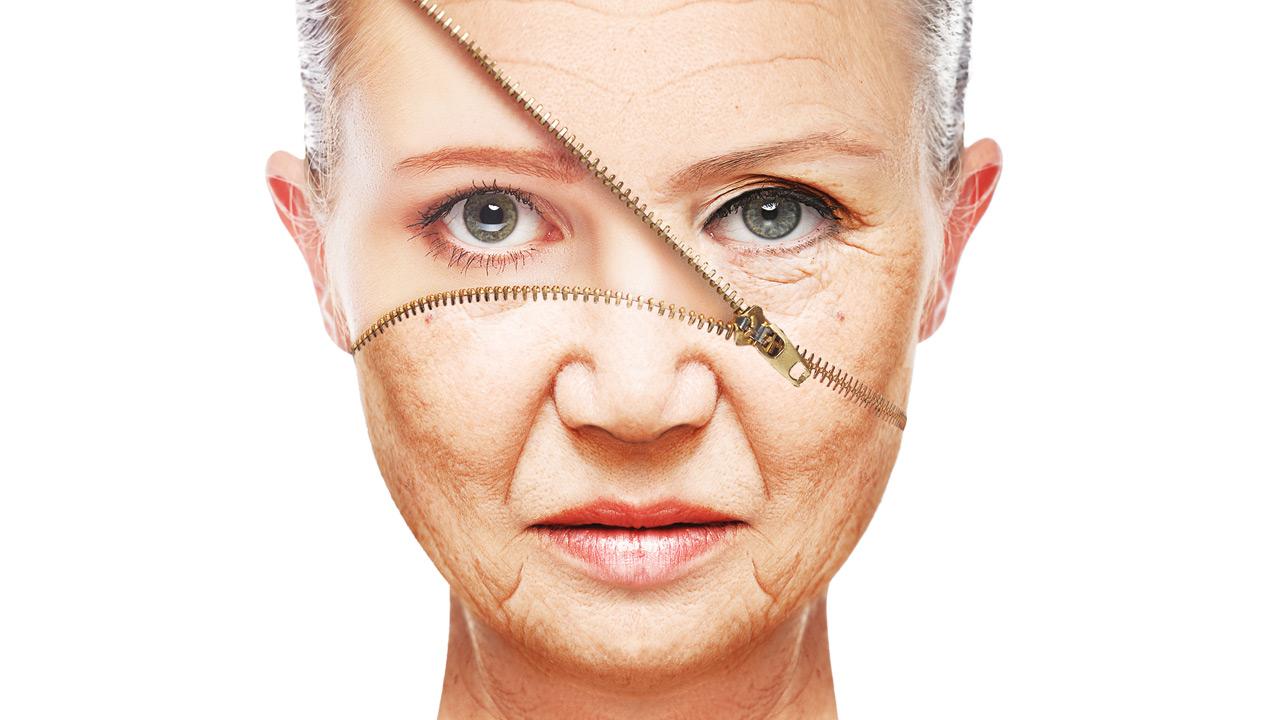
Imaging/Aparna Chaudhari
A quick search on “How to age gracefully?” and the Internet spits out obvious advice: eating well, staying hydrated and connecting with friends. If only. From anti-ageing IV drips and injections with glutathione and NAD+ (drugs often used to “detox” or “slow” age), to cosmetic procedures like botox to supplements, and even skincare products laced with glutathione, women are bombarded with the same message day in and day out: Ageing is unattractive, and they must fight it all costs.
There’s plenty of money riding on this messaging. Market consulting firm IMARC Group forecasts that by 2033, India’s anti-ageing market will hit approximately Rs 34,000 crore, up from the current estimate of Rs 21,000 crore — all padded from the wallets of people terrified of looking older and losing out on love, work, or relevance.
But that’s not the only cost Indians are paying. The conversation around the nation’s anti-ageing obsession has grown more nuanced following actor Shefali Jariwala’s death on June 27. While no clear link has been established between the medication retrieved from her residence (glutathione, Vitamin C injections, and acidity pills) and the cardiac arrest that took her life, it has forced us to take a harder look at the pressure we’re under — women, in particular — to always stay looking like our 20-year-old selves.
Read Next Story
Trending Stories
Latest Photos
Latest Videos
Latest Web Stories
ADVERTISEMENT
Mid-Day Fast
ADVERTISEMENT

ADVERTISEMENT