






Home / Sunday-mid-day / / Article /
Why more people are consuming matcha, the Japanese powdered green tea in India
Updated On: 29 June, 2025 08:53 AM IST | Mumbai | Nasrin Modak Siddiqi
Once a meditative Japanese ritual, matcha is now a mainstay in cafés, coolers, cocktails — and culture

Listen to this article :
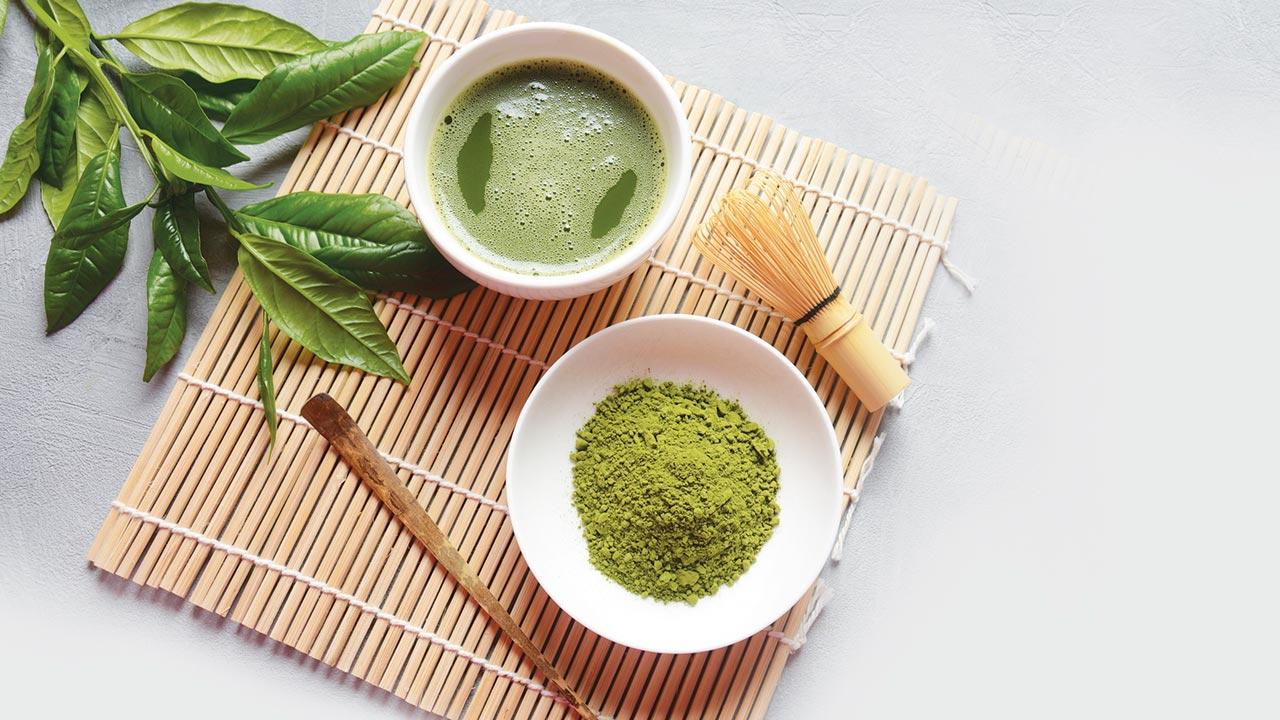
Pic/iStock
When Gaijin’s chef-partner Anand Morwani was on a long trip to Japan in 2024, he noticed that the best matcha — the kind used in tea ceremonies in Japan — had this natural sweetness, a sort of umami depth that’s almost broth-like, and had a complete absence of bitterness when handled right. “The aroma is grassy, clean, almost floral. It’s shade-grown, handpicked, stone-milled — it’s cared for like a living thing. You don’t gulp it. You sit with it.”
 (From left) Matcha in the making at Mokai: From powder to liquid ritual — beneath the froth is 800 years of tradition. Pics/Kirti Surve Parade
According to Global Info Research’s Global Matcha Supply, Demand and Key Producers, 2023-2029 Report, the global matcha market was valued at approximately USD 5.54 billion in 2023 and is expected to reach USD 11.22 billion by 2032, reflecting a projected CAGR of ~8.2%. Japan’s matcha production surged from 1471 tons in 2010 to 4176 tons in 2023 — an almost 200 per cent increase — primarily driven by export demand. The world is going wild over matcha, and Morwani has mixed feelings about it. “On one hand, I love that people are curious. Matcha deserves attention — it’s complex, it’s rooted in ceremony, and it’s one of the most meditative ingredients I’ve worked with. However, in many cases, it has become a wellness accessory. A green badge of “clean living” And the cultural context gets stripped away. At Gaijin, we offer one cocktail —Midsummer Ritual — that features matcha. We are careful of the representation, but Gaijin is an outsider viewpoint, so you won’t see it in our desserts (currently!),” he explains. The culinary-grade matcha used in lattes, desserts, and ice creams — still good — is made from older leaves, more bitter, and a little more assertive. That bitterness works better in sweets because it cuts through sugar and dairy.
Trending Stories
Latest Photos
Latest Videos
Latest Web Stories
ADVERTISEMENT
Mid-Day Fast
ADVERTISEMENT

ADVERTISEMENT