






Take cash, forget social change
Updated On: 25 November, 2024 07:29 AM IST | Mumbai | Ajaz Ashraf
Direct cash transfer has legitimised and mainstreamed the purchasing of votes, but by doing so, governments implicitly confess to their disinterest in bringing about lasting socio-economic changes

Listen to this article :
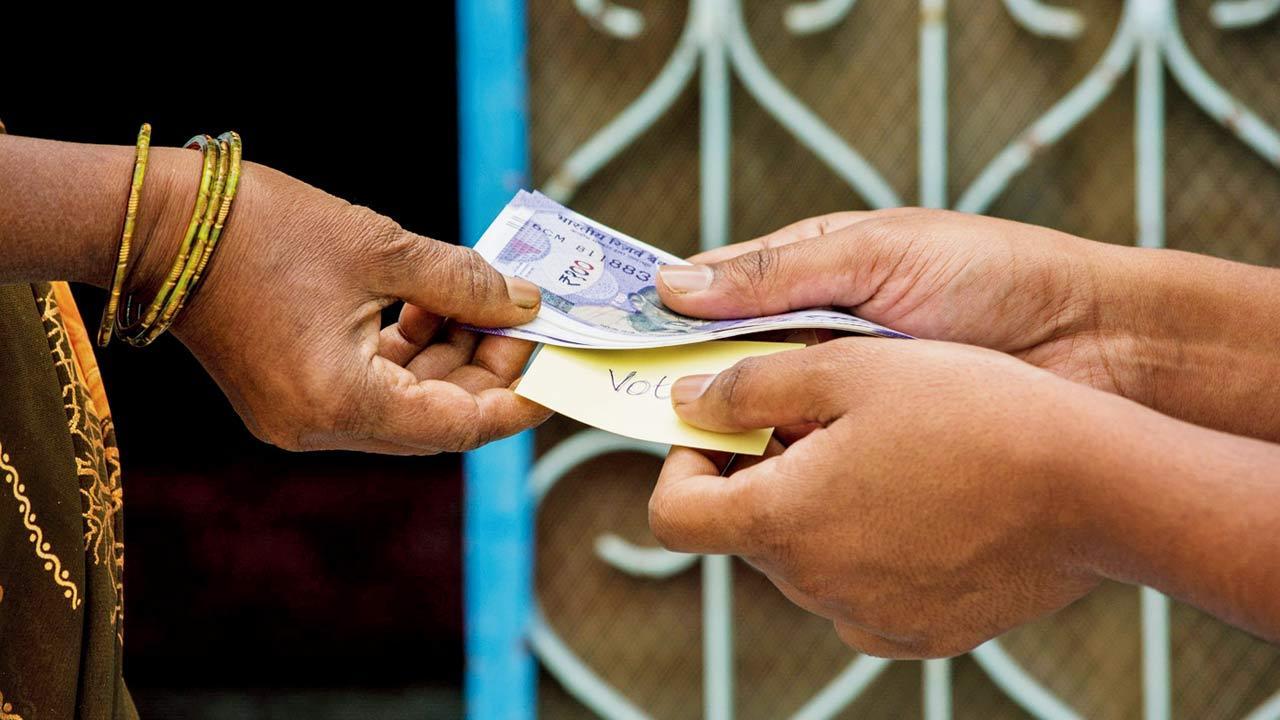
Direct cash transfer appears to be particularly effective when its target group comprises women. Representation pic/iStock
 The stunning wins of the Mahayuti and the Jharkhand Mukti Morcha-led alliance demonstrate that direct cash transfer to voters can negate the anti-incumbency factor against parties in power. It facilitates ideological consolidation, and enables political parties to mobilise voters more effectively. Yet, at the same time, direct cash transfer reflects the State’s disinterest in bringing about social change.
Direct cash transfer appears to be particularly effective when its target group comprises women. In Maharashtra, the Mahayuti, after suffering a setback in the 2024 Lok Sabha elections, introduced the Ladki Bahin Yojana, which pays R1,500 a month to women between 21 and 65 years in age and living below the poverty line. Likewise, in Jharkhand, the JMM government implemented, in August, the Maiya Samman Yojana, which transfers R1,000 a month to poor women aged 21 to 50.
Trending Stories
Latest Photos
Latest Videos
Latest Web Stories
ADVERTISEMENT
Mid-Day Fast
ADVERTISEMENT

ADVERTISEMENT